 Olivia Møller
Freediver - Activist - Explorer
Olivia Møller
Freediver - Activist - Explorer
Share this on
Olivia Møller
Freediver - Activist - Explorer



For most freedivers, energy feels like something mysterious. You feel it when your body moves effortlessly through the water, when every kick flows into the next, when the surface feels far behind and your mind becomes quiet. Yet behind that sensation lies a complex biochemical dance. Every breath you take, every contraction you fight through, every fin stroke that pushes you deeper, is powered by a subtle balance between oxygen and energy stores. Among the macronutrients that make this possible, carbohydrates often sit in a grey zone. Too often misunderstood, too often reduced to their reputation in fitness circles, they are, in truth, an essential ally in the physiology of the deep.
Understanding what carbohydrates actually do inside the freediver’s body means looking at the connection between metabolism, oxygen use, and endurance in a world where oxygen is the rarest currency of all.
The human body runs on a dual-fuel system. It can burn either glucose or fat to create energy. Glucose comes from carbohydrates, while fats are stored in adipose tissue and, to some degree, within muscles. Both fuels produce energy in the form of adenosine triphosphate (ATP), which powers every cell in the body. The key difference lies in speed and efficiency. Carbohydrates burn fast and clean, producing rapid energy bursts that sustain muscle contractions and neural activity. Fats burn slow, releasing energy over longer durations but requiring more oxygen to do so.
For a freediver, this difference is not academic. It defines how long your body can stay balanced between effort and oxygen availability. During a deep dive, your body automatically shifts to survival mode. The mammalian dive reflex lowers your heart rate, constricts blood vessels, and directs oxygen to the vital organs. Muscles, temporarily starved of oxygen, begin to rely more on anaerobic metabolism, a process that depends heavily on glycogen, the stored form of carbohydrate inside muscle cells. Without glycogen, those muscles fatigue faster. Without sufficient carbohydrates in your diet, glycogen stores run low, and your performance under pressure declines before your mind even senses it.
Glycogen functions like an emergency energy fund. The average human body can store around 400 grams of it in muscles and another 100 grams in the liver. These reserves are what power short, intense efforts, exactly the kind that freedivers experience during deep descents and ascents. When oxygen levels drop, the body breaks down glycogen into glucose and then into ATP through glycolysis. This process does not require oxygen, making it a lifeline when the body’s oxygen supply is intentionally limited.
However, glycogen has its limits. When stores are depleted, fatigue sets in. You might feel it as heavy legs, slower kicks, or an inability to maintain technique at depth. In the world of freediving, where efficiency determines success, even a small reduction in glycogen availability can change how a dive feels. That is why serious divers often pay close attention to their carbohydrate intake, even if they rarely talk about it openly. A balanced diet that supports glycogen replenishment after training ensures that every session starts with a full tank.
Interestingly, the body’s relationship with glycogen is also tied to how it adapts to repeated dives. After each session of intense breath-hold training, glycogen depletion signals the body to build new enzymes that improve glucose metabolism. Over time, this adaptation increases endurance and reduces the rate of perceived exertion, meaning that the same dive feels easier, smoother, and more controlled.
It might seem counterintuitive that a sport defined by stillness and breath control depends on carbohydrates, a macronutrient associated with high-intensity exercise. Freediving, however, is not a state of rest. Even though the movements appear fluid and slow, the body is working against immense pressure, temperature gradients, and the physiological stress of apnea. The metabolic demand remains high, particularly in the descent and ascent phases. The paradox lies in how the body manages this demand while minimizing oxygen use.
Here carbohydrates reveal their unique advantage. Oxidizing one molecule of glucose yields about 36 molecules of ATP, while oxidizing one molecule of fat yields roughly 120. On paper, fat seems superior. But the amount of oxygen required to extract energy from fat is much greater. When oxygen is scarce, as it is during a breath-hold, carbohydrates become the preferred source of energy precisely because they are more oxygen-efficient. The body extracts more ATP per unit of oxygen consumed. This makes carbohydrates the strategic choice when the objective is to conserve every molecule of oxygen available.
In other words, a well-fed muscle using glucose can sustain more work for the same oxygen cost compared to a fat-burning muscle. Freedivers who adopt ultra-low-carbohydrate diets often report feeling sluggish or unable to maintain consistent depth performance. Their bodies, adapted to fat metabolism, require higher oxygen input to sustain the same effort. In freediving, where oxygen is limited by design, that is a costly trade.
The most efficient freedivers are metabolically flexible. Their bodies can switch seamlessly between using glucose and fat depending on the phase of the dive. On the surface, during breathing cycles and relaxation, fat oxidation predominates. Once the dive begins and oxygen becomes limited, carbohydrate metabolism takes over to maintain muscular output without excess oxygen consumption. This flexibility is not genetic; it is trained.
Training in different energy states, after a light meal, in a semi-fasted condition, or following glycogen depletion, teaches the body to use both fuels efficiently. However, the goal is not to eliminate carbohydrates but to improve how the body manages them. Regular endurance sessions, such as swimming or cycling, increase the number of mitochondria in muscle cells, which in turn enhances the oxidation of both glucose and fat. Meanwhile, strength and apnea training improve the muscles’ ability to tolerate lactate, a byproduct of anaerobic carbohydrate metabolism. When both systems are tuned, the freediver gains endurance without compromising relaxation or oxygen conservation.

Lactate often carries an unfair reputation. For many athletes, it is synonymous with fatigue and soreness, but in freediving, lactate plays an important role. During deep or repeated dives, oxygen scarcity pushes the body to rely more on anaerobic glycolysis, which produces lactate. Far from being waste, lactate serves as a temporary fuel. Once oxygen becomes available again at the surface, the body converts lactate back into glucose through a process called the Cori cycle. This recycling of energy makes recovery between dives more efficient and helps maintain stable blood glucose levels during long sessions.
However, this system only works effectively when glycogen stores are adequately maintained. Without sufficient carbohydrate intake, the body’s ability to convert and recycle lactate diminishes, leading to longer recovery times and reduced dive quality. A proper post-training meal rich in complex carbohydrates helps replenish glycogen and accelerates lactate clearance, preparing the body for the next session.
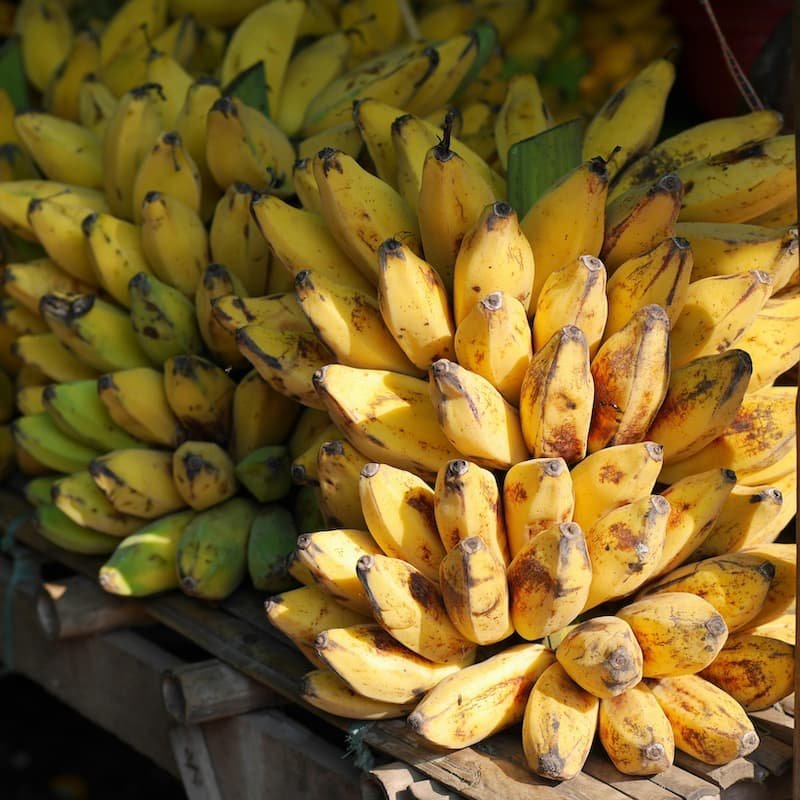
When freedivers talk about nutrition, timing often matters as much as content. Eating a heavy meal before diving can compromise relaxation and diaphragm flexibility, while diving on an empty stomach may limit energy availability. The optimal window lies in between, light, easily digestible carbohydrates consumed one to two hours before a session. Bananas, oats, or a small portion of rice can supply steady glucose without creating digestive discomfort.
After diving, timing again becomes critical. The body’s capacity to store glycogen is highest within the first two hours post-exercise. A combination of carbohydrates and protein in that period accelerates recovery, supports muscle repair, and restores the balance of energy reserves. Ignoring this window can result in cumulative fatigue, especially during training weeks with multiple sessions per day.
Freediving is not merely a physical act; it is also deeply mental. Nutrition, often seen as a mechanical process, has subtle psychological effects that influence performance. Stable blood glucose levels help regulate mood, focus, and emotional stability. Sudden drops in glucose can trigger irritability, anxiety, or mental fog, states incompatible with the calm awareness required in deep diving. By maintaining consistent energy availability through balanced carbohydrate intake, freedivers sustain not just physical performance but also the clarity of mind that defines the sport.
Carbohydrates also influence serotonin production, which affects mood and the perception of well-being. Many divers notice that periods of restrictive dieting correlate with reduced motivation or enjoyment in training. The connection is biochemical but feels emotional. The brain, which consumes nearly half of the body’s glucose at rest, depends on steady fuel to maintain the relaxed yet focused state that underpins every successful dive.
The freediver’s relationship with nutrition is often seasonal. During competition preparation, dietary discipline tends to sharpen. In off-season months, it relaxes. But long-term energy balance remains important. Chronically low carbohydrate intake can have cumulative effects on thyroid function, hormonal balance, and recovery capacity. These systems rely on sufficient glucose to regulate metabolism and cell repair. For women in particular, low carbohydrate diets combined with high-intensity training can disrupt menstrual cycles and reduce bone density, two issues that directly affect long-term diving health.
Maintaining moderate carbohydrate intake does not contradict the freediving ethos of minimalism. It supports it. By fueling the body efficiently, divers can train longer, recover faster, and avoid the kind of chronic fatigue that quietly erodes passion. The objective is not to consume excessive sugar but to understand the metabolic precision of the human body and feed it accordingly.

Modern research on freediving physiology has begun to quantify what divers have always sensed. Studies show that carbohydrate availability directly affects performance in apnea sports, influencing lactate production, muscle oxygenation, and recovery rates. Near-infrared spectroscopy used on freedivers reveals that those with higher glycogen stores maintain better muscle oxygen saturation at depth. In simple terms, their muscles are better equipped to work under limited oxygen supply. This scientific validation supports what many elite freedivers have learned through experience: strategic carbohydrate use improves efficiency without compromising comfort.
In contrast, low-carbohydrate diets, while popular in endurance circles, can impair the body’s buffering capacity against acidosis, a key factor in freediving performance. When muscles produce energy anaerobically, they release hydrogen ions that lower pH. Carbohydrates help manage this acid load more effectively than fats. The result is smoother transitions between depth phases and less burning sensation during long dives.
Carbohydrates are not just fuel for the shallow moments of effort. They are a quiet form of readiness that begins long before the dive and lingers afterward. In the closed system of a breath-hold, every molecule of oxygen matters. Carbohydrates make that oxygen work harder, last longer, and serve you better. They fill the gap between training and performance, between fatigue and flow.
To fuel the deep is to understand this relationship with nuance. The best freedivers know that what they eat shapes what they feel in the water. Behind every graceful descent lies an unseen foundation of preparation, chemistry, and care. Carbohydrates, in their simplicity, remain one of the most sophisticated tools for mastering the art of freediving.